Explore historical and architectural beauty of Havana Cuba
Havana, Cuba, is a city where history and architecture blend seamlessly. The architectural beauty of Havana Cuba is a testament to its rich cultural heritage. It firstly creates a mesmerizing experience for visitors. That goes further from colonial-era structures to neoclassical and Art Deco marvels. Whether you are a history buff, an architecture enthusiast, or a curious traveler, Havana's streets tell a story that's worth exploring. Here's a deep dive into the city's architectural grandeur.
1. Old Havana: A UNESCO World Heritage Treasure
Walking through Old Havana (Habana Vieja) feels like stepping into a living museum. Declared a UNESCO World Heritage Site in 1982, this district showcases beautifully preserved colonial-era buildings. Cobblestone streets, colorful facades, and grand plazas define its charm. Key highlights further include Plaza Vieja, Plaza de la Catedral, and Plaza de Armas. Each one meanwhile reflects different architectural styles from Baroque to Neoclassical. The historical richness extends further to lesser-known gems like Calle Obispo. That's a vibrant street filled with colonial buildings, art galleries, and quaint cafes. If you want to explore the beauty of Salta, Argentina, you can refer to our other guide. That will help you to plan your trip in well set manner.
2. The Magnificent El Capitolio
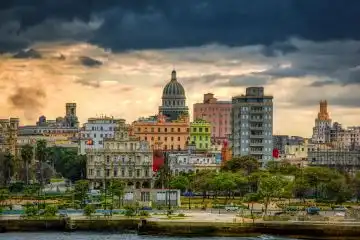
One of Havana's most iconic structures, El Capitolio, stands further as a symbol of grandeur. Inspired by the United States Capitol in Washington, D C this is an impressive building. That firstly features a massive dome, Corinthian columns, and intricate sculptures. Completed in 1929, El Capitolio now houses the Cuban Academy of Sciences and remains a must-visit landmark. The interior is equally breathtaking, featuring a marble staircase, grand halls, and the Statue of the Republic. That is one of the largest indoor statues in the world.
3. The Grandeur of the Gran Teatro de La Habana
The Gran Teatro de La Habana Alicia Alonso is a masterpiece of Neo-Baroque architecture. It was originally built in 1838 and after that reconstructed. This theater is home to the Cuban National Ballet. Its ornate façade, features statues of Greek goddesses, and the lavish interior. That firstly make it a true gem of architectural beauty of Havana Cuba must to explore. Attending a performance here is a fantastic way to appreciate not only the building's splendor but also Cuba's rich artistic heritage.
4. Spanish Colonial Legacy of Castillo de la Real Fuerza
One of the oldest fortresses in the Americas, Castillo de la Real Fuerza. This is an ideal stop of journey of exploring architectural beauty of Havana Cuba of yours. It firstly showcases Spanish colonial military architecture. Built in the 16th century, its thick stone walls and watchtower offer a glimpse into Havana's strategic importance during the colonial era. The iconic Giraldilla weathervane atop the fortress is a city symbol. This fortress now houses a maritime museum, displaying fascinating artifacts from Havana's naval history. That further include ship models and recovered treasures from sunken Spanish galleons.
5. Malecón: The Soul of Havana's Seaside Architecture
The Malecón, Havana's famous seaside boulevard, stretches for 8 kilometers along the coast. Lined with pastel-colored buildings and historic structures, it offers a picturesque blend of architectural styles. That range further from Art Deco to Spanish Colonial. At sunset, the Malecón becomes a lively gathering place for locals and tourists alike. Over time, some buildings have weathered beautifully. That meanwhile tell stories of the city's past through their faded yet charming facades.
6. The Eclectic Beauty of Vedado
Vedado, a neighborhood known for its eclectic mix of architecture, is a contrast to Old Havana. It features grand mansions, modernist buildings, and Art Deco structures. Notable landmarks further include the Hotel Nacional de Cuba, a historic 1930s hotel. That has hosted celebrities and world leaders. The district also boasts the FOCSA building, one of Latin America's tallest reinforced concrete structures. It symbolizes mid-20th-century modernism in Cuba.
7. The Elegance of the Palacio de los Capitanes Generales
Located in Plaza de Armas, this stunning Baroque-style palace was once the residence of Spanish governors. Today, it houses the Museum of the City of Havana, meanwhile displaying colonial-era artifacts. The palace's courtyard, marble columns, and ornate balconies firstly make it a remarkable example of Spanish influence. That make it a must have stop while exploring the architectural beauty of Havana Cuba. Exploring its exhibits provides a deeper understanding of Havana's transformation from colonial rule to independence.
8. The Art Deco Charm of Bacardi Building
The Bacardi Building, completed in 1930, is a striking example of Art Deco architecture. Once the headquarters of the famous rum company, this 12-story structure boasts intricate details. That goes further, from its stylized façade to its lavish interiors. Visitors exploring the architectural beauty of Havana Cuba can admire the cityscape from its rooftop. The building's interior are decorated with lavish marble and exquisite chandeliers. That meanwhile exemplifies the opulence of Havana's pre-revolutionary era.
9. Fusterlandia: A Mosaic Wonderland
For a unique artistic twist on Havana's architecture, Fusterlandia is a must-see. Located in Jaimanitas, this neighborhood is transformed into a mosaic wonderland by Cuban artist José Fuster. Inspired by Gaudí, Fuster's vibrant, tile-covered further houses and public spaces create an immersive art experience. The artist's home is covered entirely in colorful tiles and sculptures. It meanwhile serves as an open-air museum celebrating Cuban culture and creativity.
10. The Neoclassical Majesty of La Catedral de la Habana
Havana Cathedral, or La Catedral de la Habana, is an exquisite example of Cuban Baroque architecture. Built in the 18th century, its asymmetrical twin towers and intricate stonework give it a distinct character. The cathedral's interior firstly features elegant wooden altars and stunning frescoes. Adjacent to the cathedral, Calle Empedrado is lined with colonial buildings. That further leads the visitors to some of Havana's most beloved restaurants and cultural sites.
11. Hotel Inglaterra: A Historic Gem
As Cuba's oldest hotel, Hotel Inglaterra exudes colonial-era elegance. Opened in 1875, it features Moorish-inspired tiles, intricate ironwork, and a grand rooftop terrace. Its prime location near Parque Central further makes it a popular spot for visitors. Here, they can meanwhile seek a blend of history and hospitality. The hotel's lobby, adorned with stained-glass windows and vintage furnishings, transports guests to a bygone era.
12. The Revolutionary Symbolism of Plaza de la Revolución
While not traditionally ornate, Plaza de la Revolución holds immense historical significance. This vast square is flanked by monumental structures. That further include the José Martí Memorial and the Ministry of the Interior, with its famous Che Guevara mural. However, it remains a focal point for political gatherings and historical reflection. The square's sheer size and symbolic importance make it a must-visit for those interested in Cuba's revolutionary past.
Final Thoughts
Havana's architectural landscape is a living testament to its rich history and diverse influences. That goes further from colonial fortresses to Art Deco landmarks and mosaic-covered streets. The architectural beauty of Havana Cuba, meanwhile captivates all who visit here. Exploring these iconic structures offers a deeper understanding of the city's past, culture, and artistic expression. Whether wandering through Old Havana or admiring modernist gems, it's unique character continues to inspire awe and admiration.