

Plan your trip and explore rich heritage places of Sofia Bulgaria
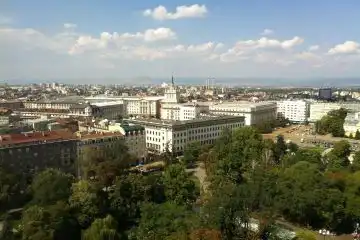
Tucked in the heart of the Balkans, Sofia-Bulgaria's captivating capital-is a treasure trove of cultural layers. The rich heritage places of Sofia Bulgaria transport you through centuries of civilization. In Sofia, Roman, Byzantine, Ottoman, and Soviet legacies converge. For travelers looking to blend history with a modern vibe, Sofia offers an ideal getaway. That take them further from grand cathedrals to ancient ruins scattered across the city. Planning your trip to this vibrant capital becomes even more rewarding when you know exactly what historic gems await your curiosity.
Roman Foundations: Serdica's Underground Secrets
Sofia stands on the ancient city of Serdica, once a flourishing Roman settlement. Today, remnants of this era are preserved underneath the busy city center. The Ancient Serdica Complex, located near the Largo, showcases ruins of Roman streets, houses, and public baths. Walkable and open to visitors, these structures reveal just how deeply the city's heritage is rooted in antiquity. You can also explore wonderful La Paz in Bolivia. Combine your visit with the nearby Roman Rotunda of St. George, the oldest preserved building in Sofia, dating back to the 4th century.
Alexander Nevsky Cathedral: A Symbol of National Pride
Towering domes clad in gold leaf, mosaic icons, and chandeliers greet you at the Alexander Nevsky Cathedral. That is one of the most iconic monument among rich heritage places of Sofia Bulgaria to explore. It was built in the early 20th century to honor Russian soldiers killed during the Russo-Turkish War. This Orthodox cathedral is not only a spiritual hub but also a masterpiece of Neo-Byzantine architecture. Its intricate frescoes and crypt gallery filled with Bulgarian religious art make it a must-visit for culture seekers.
Boyana Church: A UNESCO Jewel on Sofia's Edge
Nestled at the foot of Mount Vitosha, the Boyana Church. It is one of the rich heritage places of Sofia Bulgaria that is cherished at most. The church is recognized by UNESCO for its outstanding medieval frescoes dating back to 1259. This small, unassuming chapel reveals early Renaissance artistry centuries ahead of Western Europe. Above all, it is a perfect place to feel the charms of Sofia in Bulgaria. The vivid expressions on saints' faces and realistic human portrayal will fascinate art historians and casual visitors alike. Visiting this site meanwhile provides a peaceful yet powerful connection to Bulgaria's medieval past.
National History Museum: A Treasure Chest of Bulgarian Legacy
Just a short drive from the Boyana Church is the National History Museum. It had housed in a former Communist-era government residence. Here, you'll find over 650000 artifacts spanning from prehistoric times to modern Bulgaria. The exhibits range from Thracian gold to royal regalia. That further offers a comprehensive view of the cultural evolution that shaped Sofia and the nation beyond. It's an excellent primer for understanding the context behind many of Sofia's historic landmarks.
Banya Bashi Mosque: Ottoman Echoes in the City
Sofia's diverse history also includes centuries of Ottoman rule, best reflected in the Banya Bashi Mosque. Designed by the renowned Ottoman architect Mimar Sinan in the 16th century, this mosque is still active today. Above all, it is one of the few rich heritage places of Sofia Bulgaria that is remaining in the city. It stands beside the Central Mineral Baths. That further adds an important chapter to the multicultural story of Sofia's past. Its elegant minaret and beautiful tile work make it a serene spot for cultural reflection.
Sofia Synagogue: A Monument of Jewish Heritage
Close to the mosque is another testament to Sofia's multicultural legacy-the Sofia Synagogue. It's the largest in Southeastern Europe. That firstly showcases Sephardic traditions, Moorish design, and a breathtaking central chandelier. A visit here is paired with the Jewish Museum of History. That meanwhile opens a window into the once-thriving Jewish community in Bulgaria. These locations contribute significantly to the tapestry of rich heritage places of Sofia Bulgaria.
Saint Sophia Basilica: Where It All Began
The city of Sofia actually derives its name from the Saint Sophia Basilica. That is one of the oldest Christian churches in the region, dating back to the 6th century. Situated near Alexander Nevsky Cathedral, the basilica is understated yet historically profound. Its floor mosaics and necropolis below the structure provide compelling archaeological insights. Standing here, you get a sense of the enduring religious and civic importance this site has held over centuries.
The Largo and Socialist Classicism
Sofia's post-WWII era left a stark yet fascinating architectural footprint. The Largo complex, is comprising the former Communist Party House and Ministry buildings. It is a classic example of Socialist Realist architecture. This area offers a striking contrast to the Roman ruins beneath it. It emphasizes how each epoch in Sofia's history overlays the previous. Visiting this area helps contextualize the political transformations that shaped the city in the 20th century.
Ivan Vazov National Theatre: Cultural Grandeur
A trip to rich heritage places of Sofia Bulgaria wouldn't be complete without a walk through City Garden. There, the Ivan Vazov National Theatre stands further in all its neoclassical glory. Built in 1907, this theater is a symbol of Bulgarian literature and drama. Whether or not you catch a performance, admire the red-and-white façade, Doric columns, and baroque sculptures. This spot perfectly blends the city's rich artistic traditions with its architectural heritage.
Church of St. Nicholas the Miracle-Maker
Topped with golden onion domes, the Church of St. Nicholas the Miracle-Maker. It is often mistaken for a Russian landmark-and for good reason. The church was built for the Russian expatriate community in the early 20th century. This Orthodox church features stunning murals and intricate tilework that harken back to old Russian style. However, it's a quiet oasis located near the bustling Parliament. Above all, it's a part of Sofia's fascinating international religious fabric.
Vrana Palace: Royal Reminiscence
Though slightly removed from the city center, the Vrana Palace and its botanical gardens offer a royal detour. That is worth taking while exploring the rich heritage places of Sofia Bulgaria on your trip. Once the residence of Bulgarian Tsars, it now serves as a museum and public park. The palace combines Bulgarian Revival and European influences. It further offers a more personal perspective into the lives of the royal family. Its lush gardens and serene surroundings also make it an ideal spot to unwind after exploring the city's historical core.
Plan Your Trip: Tips for Heritage Travelers
Sofia is easily navigable and compact, making it ideal for history-focused travelers. Most rich heritage places of Sofia Bulgaria lie within walking distance of each other. A well-planned 3- to 4-day itinerary can cover major religious sites, museums, Roman ruins, and a day trip to the Boyana area. Public transport is reliable, but guided walking tours are recommended for deeper insights. Don't forget to check out the Sofia City Card for discounted museum entries and local transport.
Conclusion
The rich heritage places of Sofia Bulgaria offer more than just historic snapshots. They narrate a story of survival, transformation, and cultural coexistence. You can trace Roman roads, marvel at Orthodox domes, or explore Ottoman courtyards. Sofia further rewards every traveler with depth and beauty. Plan your trip to this Balkan gem and uncover a city where the past is always present. It is just waiting to be explored one step at a time.


