Experience a blend of nature and urban life of Banjul Gambia
Nestled where the River Gambia meets the Atlantic Ocean, Banjul-The Gambia's capital-is a compact yet deeply intriguing destination. The nature and urban life of Banjul Gambia offer an authentic, unfiltered experience. There, natural beauty and cultural richness live side by side. Firstly, it's a city that dances between two rhythms. That are the unhurried tempo of nature and the vibrant beat of urban life. However, Banjul may not be as sprawling as other African capitals. But, its charm further lies in its harmonious mix of mangrove wetlands, serene beaches, colorful markets, and historical landmarks. For curious travelers seeking a lesser-known gem, Banjul is a city that surprises at every turn.
The Coastal Beauty of Banjul's Shoreline
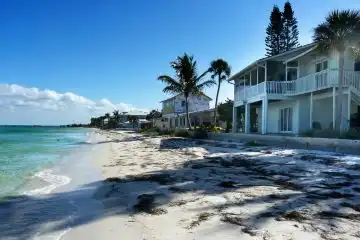
Surrounded by ocean on one side and river on the other, Banjul enjoys an enviable coastal setting. That firstly sets the stage for relaxation and exploration. Beaches for example Cape Point and Banjul Beach offer calm, golden sands. There, you can meanwhile swim, sunbathe, or watch local fishermen cast their nets. These beaches are not only recreational spaces but also vital parts of the city's lifestyle and economy. Visiting the famous temples of Siem Reap adds a cultural depth to your journey. Locals often gather here at sunrise and sunset, creating an atmosphere that's peaceful yet socially vibrant. Above all, the connection between sea and city is deeply rooted in Banjul's identity.
Meandering Through the City Center
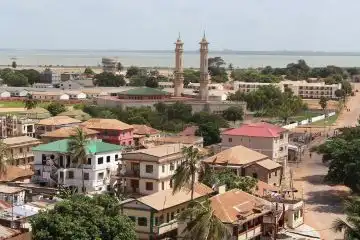
Walking through downtown Banjul is like stepping back in time. The wide avenues, colonial-era buildings, and vintage storefronts lend a nostalgic charm to the urban fabric. This city is refreshingly compact, making it ideal for exploring on foot. You'll encounter tailors working in open shops and children playing soccer in alleyways. Meanwhile, watch the vendors selling roasted peanuts on every corner. The urban layout feels more like a small town than a capital city, which only adds to its welcoming feel. If you are exploring nature and urban life of Banjul Gambia, it's a must visit. This human-scale approach to city planning further makes Banjul accessible and personal.
Discovering the Tanbi Wetlands Reserve
Tucked right next to the city, the Tanbi Wetlands National Park is a sprawling 6000-hectare ecosystem. That is comprised of mangroves, creeks, and estuaries. It's an essential habitat for over 300 bird species. That further include herons, egrets, and the vibrant bee-eater. Guided canoe tours or wooden boardwalks let you explore this lush reserve. Meanwhile, you can learn about its importance to both the environment and local communities. This proximity is one of the best expressions of the nature and urban life of Banjul Gambia coexisting effortlessly. It's a surreal experience to be so close to urban life while immersed in such pristine nature.
Albert Market: The Beating Heart of Local Commerce
Colorful, chaotic, and endlessly fascinating, Albert Market is the city's economic soul. Named after Prince Albert, the market is a labyrinth of stalls. That are selling everything from fresh fruits and handwoven baskets to second-hand clothes and intricate jewelry. The sensory overload here is real. Vendors call out prices, music spills from portable radios, and the smell of spicy grilled meats fills the air. It's a place where the city's multicultural identity is on full display. That brings together people from various ethnic backgrounds and trades. The market is not only a shopping destination-but it's also an immersion into daily life in urban Banjul.
River Gambia: The Lifeblood of the Region
Snaking through the city's edge, the River Gambia offers countless opportunities for exploration and adventure. Traditional pirogues glide silently across the waters. While sunset cruises offer panoramic views of both Banjul's skyline and untouched riverbanks. The river is not only a scenic backdrop-but it also sustains agriculture, fishing, and transportation for thousands. Above all, wildlife lovers will be thrilled by sightings of hippos, otters, and exotic birds. It's this kind of seamless blend-where ecological importance meets everyday utility. That further defines the nature and urban life of Banjul Gambia.
Echoes of the Past: Colonial Architecture and Monuments
Firstly, the city's architecture serves as a living museum of Banjul's colonial history. The most prominent landmark, Arch 22, commemorates the 1994 military coup and offers sweeping views from its upper deck. Meanwhile, the Gambia National Museum showcases relics from pre-colonial times, colonial documents, and traditional musical instruments. These structures and exhibits further tell stories of resistance, resilience, and reinvention. As the city grows, these historical elements remain integrated into its evolving identity. That offers a poignant reminder of its layered past.
Kachikally Crocodile Pool: Where Myth Meets Wildlife
In nearby Bakau, just a 15-minute drive from Banjul, lies one of the region's most unusual attractions-the Kachikally Crocodile Pool. Considered sacred by locals, the pool is believed to possess fertility-enhancing powers. Over 80 crocodiles live here, many of which are surprisingly calm and used to human interaction. Above all, visitors can even touch them under supervision. A small museum adjacent to the pool meanwhile explains the cultural significance of the site. It's a place where belief, tradition, and biodiversity intersect, highlighting yet another unique element of the region's charm.
A Taste of Gambian Hospitality: Food and Culture
Gambian cuisine is rich, flavorful, and deeply tied to its surroundings. Whether it's spicy benachin (one-pot jollof rice), savory yassa chicken with mustard and onions, or domoda, the national peanut stew, every dish tells a story of heritage and resourcefulness. Most ingredients come directly from the surrounding waters and fields, making meals both seasonal and sustainable. Street food vendors, local eateries, and small seaside cafés all contribute to the dynamic culinary scene. Sharing a meal here is more than sustenance-it's a cultural exchange that brings people together.
Nights in Banjul: From Chill Lounges to Cultural Beats
As daylight fades, Banjul further unveils its intimate nightlife. Though not a party capital, the city offers cozy beach bars, live music joints, and occasional cultural events. Acoustic sets by local musicians, traditional drumming performances, and dance circles create an inviting atmosphere for locals and tourists alike. That further allows you to explore the nature and urban life of Banjul Gambia to the fullest. Places for example the Alliance Française host concerts, film screenings, and art exhibitions. These nights often flow with laughter, rhythm, and shared stories-moments. There, the community spirit of urban Banjul shines brightly.
Day Excursions and Coastal Exploration
Banjul's central location firstly makes it an excellent launch point for short trips. Head to Bijilo Forest Park for forest walks alongside playful monkeys. Visit the nearby village of Bakau for more cultural immersion. The Gambia River is also a highway to places for example James Island (Kunta Kinteh Island). That is a UNESCO World Heritage Site with a powerful history linked to the transatlantic slave trade. Each journey reveals a different aspect of the country's natural and historical landscape. That meanwhile adds richness to your overall experience of the nature and urban life of Banjul Gambia.
Sustainable Tourism: A City Looking to the Future
With growing awareness of environmental impact, many local operators in Banjul are embracing sustainable tourism. Eco-lodges, solar-powered guesthouses, and community-led tours aim to preserve natural resources while supporting local livelihoods. Travelers are encouraged to respect conservation zones, support local artisans, and reduce plastic waste. These efforts not only protect The Gambia's delicate ecosystems but also foster responsible tourism practices. That meanwhile benefit future generations.
Cultural Traditions and Celebrations
Gambian society is deeply rooted in tradition. Banjul hosts a range of cultural festivals throughout the year. That goes from traditional drumming festivals and dance performances to Muslim religious holidays and independence celebrations. In other words, the calendar is rich with communal gatherings. These events often take place in public squares or along the beach. That blend the city's natural beauty with its cultural heartbeat. Attending such a festival provides deeper insight into the values and rhythms of daily life. That further makes your journey more meaningful and connected.
Conclusion: Where the Wild Meets the Urban
Banjul is a place where contrasts don't compete-they complement. The natural world surrounds you, yet the city's culture and warmth draw you in just as powerfully. You can explore bird sanctuaries by day or dance under the stars by night. Anyhow, you're always in touch with both sides of this coastal capital. The nature and urban life of Banjul Gambia further offer a one-of-a-kind travel experience. That is authentic, immersive, and unforgettable. In short, it's a city for those who seek discovery beyond the ordinary. There, every step meanwhile something new about the harmony between people and place.