Discover the Secrets of Petra: The Rose City of History
Hidden within the rugged desert landscapes of Jordan, the ancient city of Petra continues to captivate travelers and historians alike. In this guide, we explore the secrets of Petra uncovering its rich history, architectural brilliance, and hidden gems. Known as the “Rose City” for its pink sandstone cliffs, Petra is far more than just a beautiful destination. It represents centuries of innovation, trade, and cultural exchange. Petra was once a thriving hub of commerce and civilization. It stands today as one of the most remarkable archaeological wonders in the world. That continue to fascinate visitors from across the globe.
1. The Origins of Petra and the Nabataean Civilization
Petra was established over 2000 years ago by the Nabataeans. It was a highly skilled and resourceful group of people who turned a harsh desert valley into a flourishing city. They controlled key trade routes that connected Arabia, Egypt, and the Mediterranean. That allow them to accumulate immense wealth through the trade of spices, silk, and incense. Their strategic positioning made Petra a powerful economic center. The Nabataeans were not only traders but also brilliant planners and engineers. They had designed a city that could sustain a large population despite the harsh climate. Their legacy is evident in the ruins that still stand today. That reflect a unique blend of cultures and architectural influences that evolved over time.
2. The Siq: A Dramatic Entrance Like No Other
The journey to explore secrets of Petra begins with the breathtaking Siq. It is a narrow gorge that stretches for more than a kilometer and serves as the main entrance to the city. Towering rock walls rise dramatically on both sides. They create an immersive and almost cinematic experience for visitors. As you walk through the winding path, you can observe ancient water channels carved into the rock. They are showcasing the Nabataeans' advanced engineering skills. The Siq builds anticipation with every step, gradually revealing glimpses of light and color ahead. The experience culminates in a stunning first view of Petra's most iconic monument. That make the journey through the Siq just as memorable as the destination itself.
3. The Treasury: Petra's Most Iconic Landmark
The Al-Khazneh, also known as the Treasury, is undoubtedly the most recognizable structure in Petra. Carved directly into rose-colored sandstone, it has a grand facade. That stands as a testament to the artistic and architectural brilliance of the ancient world. Despite its name, historians believe it was originally built as a royal tomb rather than a treasury. The structure is surrounded by legends of hidden riches, adding to its allure and mystery. That also makes it one of the best kept secrets of Petra. The intricate carvings and classical influences seen in its design reflect the cultural diversity that defined Petra. When illuminated by the soft light of early morning or late afternoon, the Treasury glows with a warm pink hue. That leave visitors in awe of its timeless beauty.
4. Advanced Water Management Systems
One of the most fascinating secrets of Petra is its sophisticated water management system. That allowed the Nabataeans to thrive in an otherwise inhospitable desert environment. They constructed an intricate network of dams, cisterns, channels, and pipelines to collect and store rainwater efficiently. These systems not only ensured a steady water supply but also protected the city from flash floods. The use of stone channels and ceramic pipes demonstrates their advanced understanding of engineering and resource management. This innovation supported agriculture, daily life, and population growth. That further make Petra a sustainable urban center long before modern technology existed.
5. The Monastery: A Hidden Giant
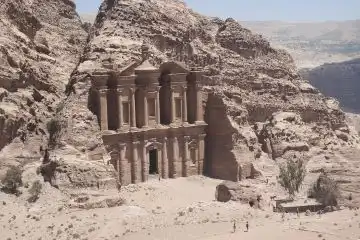
The Ad Deir, known as the Monastery, is one of Petra's largest and most impressive monuments. Reaching it requires a challenging climb of more than 800 steps, but the effort is well worth it. Unlike the Treasury, the Monastery features a simpler design, yet its massive scale and commanding presence leave a lasting impression. The journey to the top offers stunning views of the surrounding mountains and valleys, adding to the sense of adventure. Once there, visitors are rewarded with a peaceful atmosphere and panoramic vistas that make it one of the most memorable spots in Petra. Its remote location also means fewer crowds, allowing for a more serene experience.
6. A Blend of Cultures and Architectural Styles
Petra stands as a remarkable example of cultural fusion, with architectural influences. That comes from Greek, Roman, and Egyptian civilizations and clearly visible throughout the site. The Nabataeans embraced and adapted these styles, creating a unique aesthetic that reflects their openness to external influences. Columns, carvings, and decorative motifs vary across different structures, showcasing a rich diversity of artistic expression. This blending of styles highlights Petra's role as a cultural crossroads. There, traders and travelers from different regions interacted and exchanged ideas. The result is a city that not only served as a commercial hub but also as a melting pot of cultures and traditions.
7. The Royal Tombs and Burial Practices
The Royal Tombs Petra are among the most striking features among the secrets of Petra. They are carved high into the cliffs and designed to honor the city's elite. These tombs display a variety of architectural styles. Each stands out with intricate details that reflect the status and importance of those buried within. Elements for example urns, columns, and elaborate facades demonstrate the artistry and craftsmanship of the Nabataeans. The elevated placement of these tombs symbolized prestige and social hierarchy. They also provide valuable insights into the burial practices and spiritual beliefs of the civilization. That further offers a glimpse into how they viewed life and the afterlife.
8. Petra's Role in Ancient Trade Routes
Petra's success as a city was largely due to its strategic location along major trade routes. That are connected the Arabian Peninsula with the Mediterranean world. Caravans carrying goods such as frankincense, spices, textiles, and precious materials passed through the city regularly, bringing wealth and prosperity. This constant movement of people and goods facilitated cultural exchange and helped shape Petra into a cosmopolitan center. The Nabataeans' ability to control and protect these routes gave them significant economic and political power. That further solidifies Petra's importance in the ancient world.
9. Rediscovery by the Modern World
For centuries, Petra remained hidden from much of the world until it was rediscovered in 1812 by the Swiss explorer Johann Ludwig Burckhardt. Disguised as a local traveler, he managed to gain access to the site and document its existence. His discovery brought international attention to Petra, sparking interest among archaeologists and historians. Over time, extensive research and excavation efforts have uncovered more about the city's history and significance. Today, Petra is one of the most visited archaeological sites in the world. That attracts millions of tourists eager to witness its beauty and mystery firsthand.
10. Petra as a UNESCO World Heritage Site
In 1985, Petra was designated a World Heritage Site by UNESCO, recognizing its outstanding cultural and historical value. This designation has helped ensure the preservation of the site for future generations. Conservation efforts are ongoing, with strict measures in place to protect Petra's fragile structures from environmental damage and the impact of tourism. The recognition by UNESCO has also increased global awareness of Petra's significance. It also encourages responsible tourism and continued research into its history.
11. Petra in Popular Culture
Petra has captured the imagination of people around the world and has been featured in numerous films, books, and documentaries. One of its most famous appearances is in Indiana Jones and the Last Crusade. There, the Treasury serves as the backdrop for a key scene. This exposure introduced Petra to a wider audience and contributed to its status as a must-visit destination. In the age of social media, Petra continues to gain popularity, with travelers sharing stunning images and experiences. That highlight its beauty and uniqueness. Its presence in popular culture has played a significant role in keeping its legacy alive.
12. Travel Tips for Exploring Petra
Exploring secrets of Petra requires careful planning to make the most of your visit. The best times to go are during spring and autumn when the weather is mild and comfortable. Visitors should wear sturdy footwear, as the terrain involves extensive walking and climbing. Carrying enough water is essential, especially during warmer months. Starting early in the day allows you to avoid crowds and experience the site in cooler temperatures. Hiring a local guide can enhance your experience by providing valuable insights and uncovering lesser-known details about the city. Staying overnight nearby also gives you the opportunity to explore more areas at a relaxed pace.
13. Lesser-Known Spots Within Petra
While Petra's main attractions draw most of the attention, the site is filled with lesser-known locations that offer equally fascinating experiences. Hidden caves, ancient dwellings, and quiet trails provide a deeper understanding of the city's history. The High Place of Sacrifice, for example, offers breathtaking views and insights into religious rituals practiced by the Nabataeans. Exploring these off-the-beaten-path areas allows visitors to escape the crowds and connect more intimately with the site. These hidden gems are one of the secrets of Petra. That add depth to any visit and reveal the many layers of Petra's rich heritage.
14. The Natural Beauty Surrounding Petra
Beyond its architectural wonders, Petra is surrounded by stunning natural landscapes. These scenic secrets of Petra enhance its overall appeal. The desert terrain features rugged mountains and vibrant rock formations in shades of red, orange, and pink. The changing light throughout the day transforms the scenery, creating dramatic and ever-changing views. Sunrise and sunset are particularly magical times to experience Petra, as the soft light brings out the colors of the الصخور and monuments. This harmonious blend of natural beauty and human craftsmanship makes Petra a truly unique destination.
15. Petra by Night: A Magical Experience
Experiencing Petra at night offers a completely different perspective of this ancient city. During the Petra by Night event, the path leading to the Treasury is illuminated by hundreds of candles. That create a serene and enchanting atmosphere. Visitors walk through the softly lit Siq while enjoying traditional music that adds to the ambiance. When the Treasury comes into view, glowing under candlelight, the experience feels almost surreal. This peaceful and mystical setting allows visitors to connect with Petra on a deeper emotional level, making it a highlight of any visit.
Conclusion: Why Petra Remains Timeless
The secrets of Petra extend far beyond its breathtaking appearance. They lie in its rich history, innovative engineering, and cultural diversity. From its origins as a powerful trade hub to its status as a global heritage site, Petra continues to inspire awe and curiosity. Its timeless beauty and historical significance make it one of the most extraordinary destinations in the world. Whether you're a history enthusiast, an adventure seeker, or a curious traveler, Petra offers an unforgettable journey into the past. That leave a lasting impression that stays with you long after you leave.